

Tips and Tricks for Decorating with Art in Your Space
Decorating with art can be a great way to add personality and style to your space. But where do you start? And how do you make sure the art you choose works well with the rest of your decor? Here are a few tips and tricks to help you get started.
1. Start with the basics
The first step is to decide what kind of art you want to hang in your space. Do you want paintings or photographs? Abstract or representational? Do you want the art to match the colours existing in your space? Once you’ve decided on the general type of art you want, you can start narrowing down your choices.

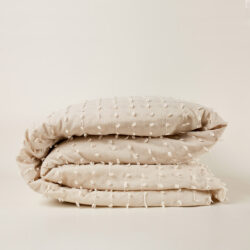
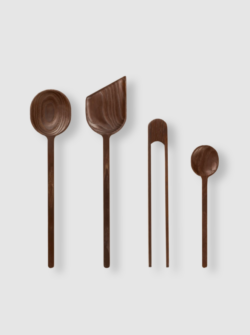
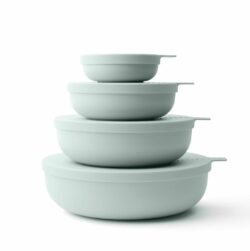
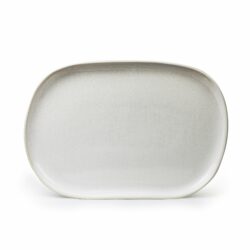
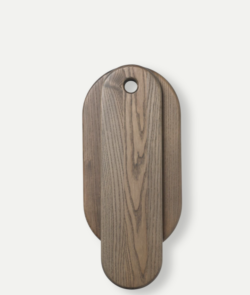
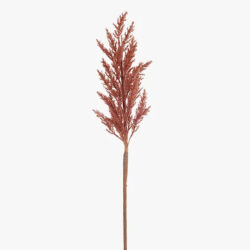
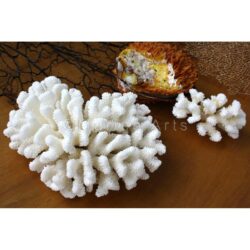
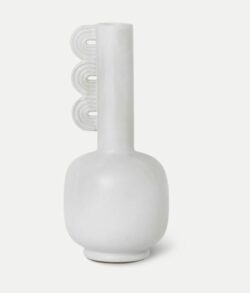
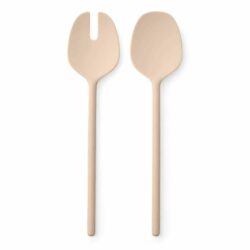
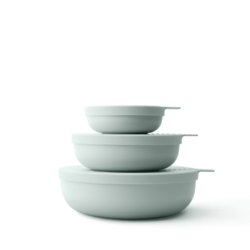
Here are some top recommendations you can get from our shop.
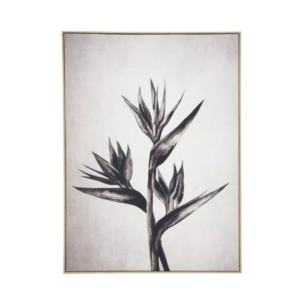
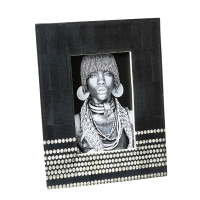
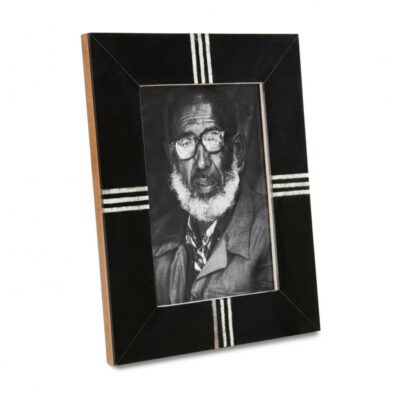

2. Consider scale
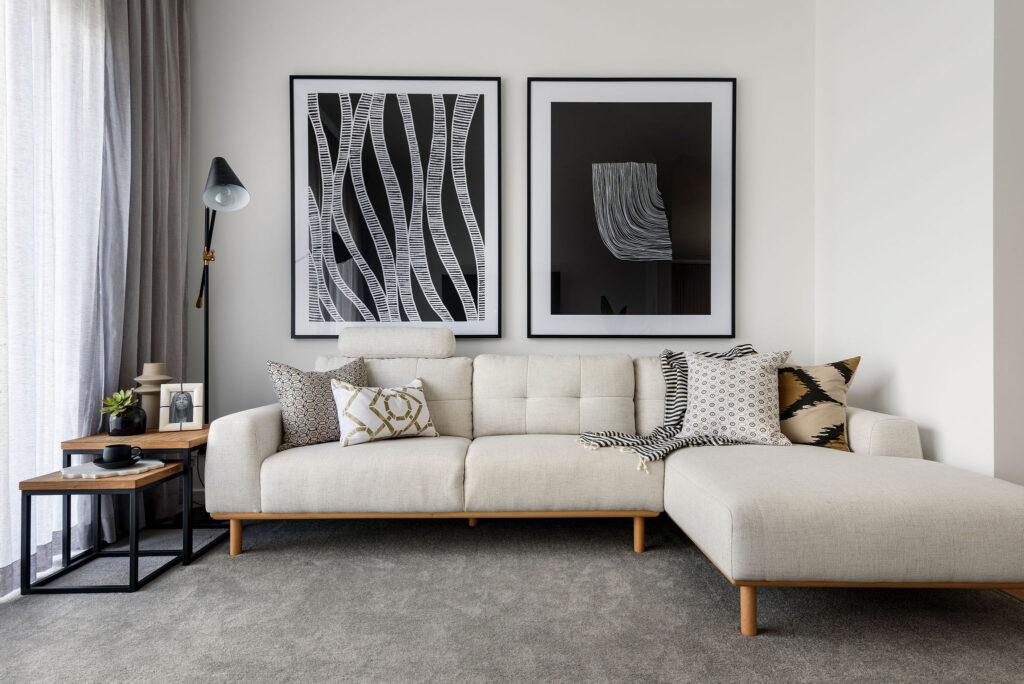
The next thing to think about is how big or small the pieces of art should be. This will depend on the size of your space and the other furnishings in the room. You don’t want the art to be too small or too large for the space. A good rule of thumb is to choose pieces that are two-thirds the width of the furniture they’ll be hung above.
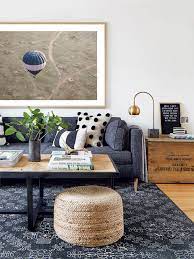
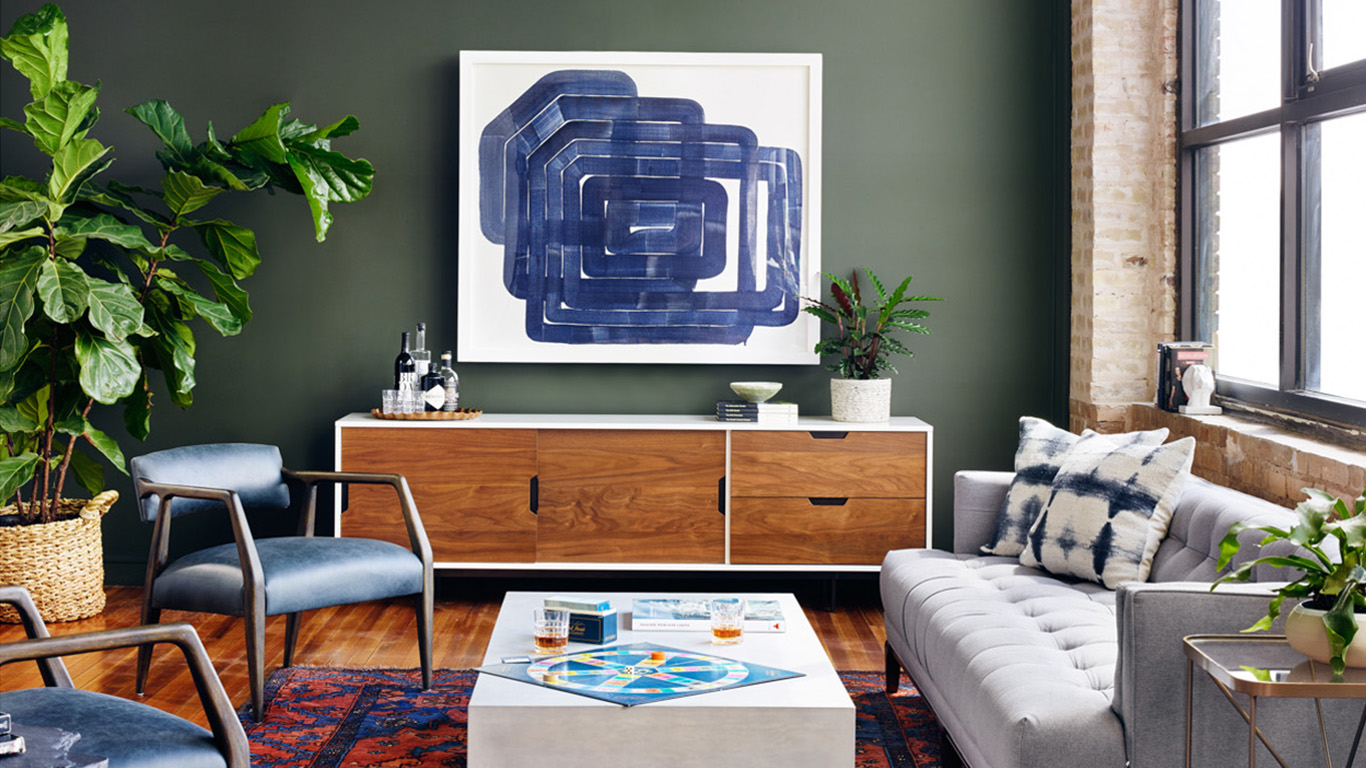
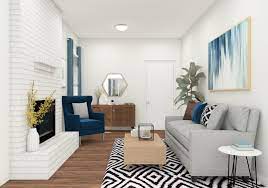

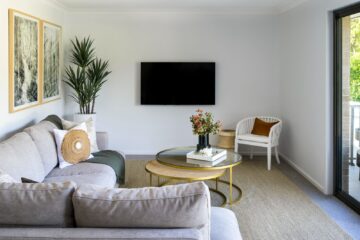
3. Create a focal point. When hanging art, it’s important to create a focal point. This is the spot where your eye will naturally be drawn to when you enter the room. A common way to create a focal point is to hang a large piece of art above a fireplace or sofa. But there are other ways to create a focal point, so get creative!
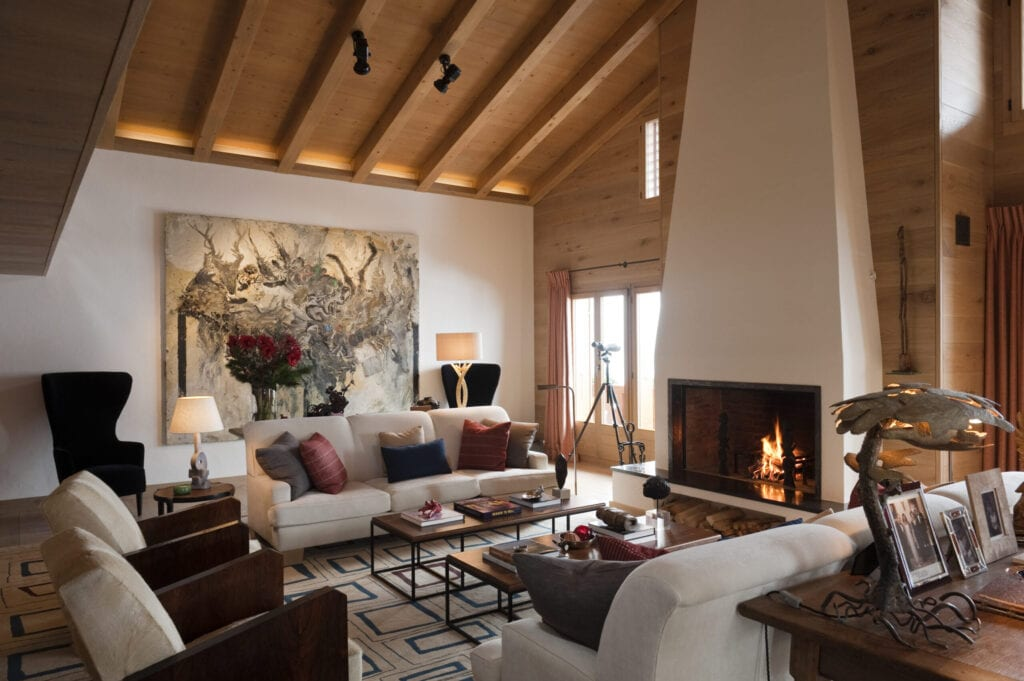

4. Think about placement
Where you hang the art in your space is just as important as what you hang. Think about things like eye level, traffic flow, and lighting when deciding on placement. You want people to be able to see the art when they’re in the room, but you also don’t want it to be in a spot where it’s going to get damaged or dusty.
5. Grouping is key
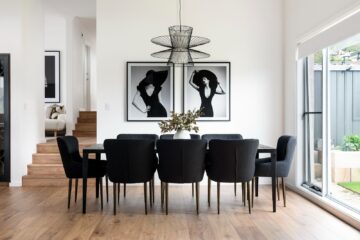
Hanging art in groups is usually more visually appealing than hanging it alone. Try grouping pieces together by theme, colour, or style to create an interesting display. And don’t be afraid to mix things up! Hang prints next to paintings, group different sizes together, etc. The possibilities are endless!


Decorating with art can be a great way to add personality and style to your space. But it’s important to take some time to plan things out before you start buying pieces willy-nilly! By following these tips, you’ll be sure to end up with a stylish, cohesive look that you love—and that works well with your existing decor.”